This article explores the enchanting world of heritage hotels in Rajasthan, where royal legacy meets modern luxury. Discover the rich history, exquisite architecture, and painstaking restoration techniques that transform ancient palaces and forts into opulent retreats. Uncover the cultural narratives and timeless hospitality that make these destinations uniquely memorable.
Historical Legacy and Royal Heritage
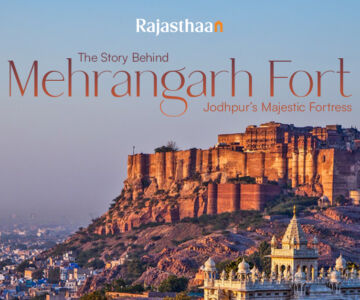
In the heart of Rajasthan lies a vivid tableau of regal grandeur and architectural magnificence. The state’s iconic palaces and forts, with their compelling royal lineages, now serve as heritage hotels, offering a glimpse into the nobility of yesteryears. These structures are not just accommodations; they are living museums, each narrating tales of valor, romance, and splendor that have shaped the Rajputana legacy.
The transition of these palatial residences into luxury heritage hotels is a journey through time, where history intertwines with hospitality. From the mighty forts of Jodhpur to the graceful palaces of Udaipur, each property bears witness to the rich cultural tapestry of Rajasthan. For instance, the Umaid Bhawan Palace in Jodhpur, part of which is now operated by Taj Hotels, stands as a testament to the era of the Rathore dynasty. Its foundation was laid in the 1929, a time when Jodhpur was facing a severe drought, and the project was designed to provide employment to the distressed.
Similarly, the City Palace of Udaipur, which houses the Fateh Prakash Palace and Shiv Niwas Palace hotels, tells the story of the Mewar dynasty’s resilience and strategic alliances that preserved their sovereignty against various invasions. The history of these edifices is marked by momentous events:
– The establishment of the kingdoms and the construction of these fortresses and palaces, which were originally designed both for defense and as a symbol of the rulers’ wealth and power.
– The siege and battles that these structures endured, bearing scars and tales of valour that are portrayed in the art and architecture.
– The transition from royal residences to public heritage sites, which involved navigating the challenges of maintaining such vast properties post-independence, when the privy purse was abolished.
Behind the opulent facades and luxurious interiors of these heritage hotels lies a legacy of the great Rajputana clans – the Rathores, Sisodiyas, Kachwahas, and others – whose governing principles were based on bravery, honor, and chivalry. These hotels not only offer a stay but an experience steeped in the regal lifestyle, allowing guests to revel in the age-old traditions, from royal cuisines to the entertainment practices once reserved for the Maharajas and Maharanis.
As the chapter unfolds, the architectural grandeur and the intricate restoration efforts to preserve these historical jewels will be explored further. The subsequent discussion will delve into how traditional craftsmanship and local materials were employed to retain the original essence of these grand estates, ensuring that the legacy of the Rajputana’s architectural heritage continues to dazzle the world. This delicate balance of historical authenticity and modern comfort underscores the unique appeal of Rajasthan’s heritage hotels, making them an unparalleled window into India’s royal past.
Architecture and Restoration Process
Building on the historical canvas discussed previously, the architectural majesty of Rajasthan’s heritage hotels is a seamless blend of age-old grandeur and contemporary finesse. The process of restoring these architectural marvels is both an art and a science, ensuring that the royal charisma is preserved while incorporating modern amenities for today’s discerning travelers. The restoration of these historic properties into heritage hotels is a meticulous endeavor that honors traditional craftsmanship using local materials, all the while ensuring that the architectural integrity remains untouched.
Traditional materials such as lime plaster, sandstone, and marble, which have been used in Rajasthani architecture for centuries, play a pivotal role in the restoration process. These materials are not only chosen for their historical accuracy but also for their natural properties that offer sustainability and durability in the arid climate of Rajasthan. The use of lime plaster, in particular, is noteworthy for its ability to ‘breathe’, thereby providing natural air conditioning—a technique that highlights the ingenuity of ancient craftsmanship aligned with modern needs for comfort and environmental consciousness.
Restoration techniques often involve detailed research and consultations with historians and architects to ensure that any addition or alteration remains true to the original design. This includes the intricate frescoes, jharokhas (overhanging enclosed balconies), and latticework that are characteristic of Rajasthani palaces and forts. Modern amenities are integrated in such a subtle manner that they do not interfere with the historical aesthetics. For instance, air conditioning vents might be cleverly concealed within ornate grills, and contemporary plumbing is installed without disturbing the original structure’s facade.
The heritage hotels of Rajasthan stand as testaments to the region’s splendid architectural heritage, brought to life through careful restoration efforts. The conservation practices employed underscore a deep respect for the original craftsmanship while embracing the necessities of modern hospitality. Techniques like seismic retrofits are introduced to ensure the structure’s resilience, safeguarding not just the physical but also the cultural heritage it represents. These interventions are a delicate balance between preserving the past and embracing the future, ensuring that guests can experience the royal lifestyle that once flourished within these walls.
Moreover, the role of skilled artisans in the restoration process cannot be overstated. Their invaluable knowledge, passed down through generations, is central to maintaining the authenticity of these historic structures. Their work, spanning from stone carving to the recreation of original paint colors and textures, ensures that each restored section narrates the story of its glorious past with accuracy and reverence.
In conclusion, the architectural and restoration endeavors of Rajasthan’s heritage hotels embody a profound commitment to preserving the royal heritage while offering an immersive experience into the regal lifestyle. The harmonious blend of traditional techniques with modern comforts not only celebrates the architectural grandeur of bygone eras but also sets a benchmark for sustainable and respectful restoration practices worldwide.
Notable Heritage Properties
Rajasthan, a land of timeless heritage and royal legacy, houses some of the most remarkable heritage properties that have been carefully preserved and transformed into luxurious accommodations, providing guests with an authentic experience of regal lifestyle and cultural opulence. Among these, the properties operated by the HRH Group of Hotels and Neemrana Hotels stand out for their majestic architecture, rich history, and the role they played in Rajasthan’s cultural tapestry.
The HRH Group of Hotels, owned by the royal family of Udaipur, epitomizes the splendor of Rajasthan’s royal heritage. These palatial properties have been the setting for grandiose historical events and are now open to visitors, offering a glimpse into the royal way of life.
– **City Palace, Udaipur**: This iconic palace complex, set on the banks of Lake Pichola, serves as the prime residence of the royal family. Parts of it, including the Fateh Prakash Palace and Shiv Niwas Palace, have been transformed into luxury hotels. The crystal gallery, vintage car collection, and splendid views of the lake and the city make it a standout property.
– **Jagmandir Island Palace, Udaipur**: Floating like a gem on Lake Pichola, Jagmandir Island Palace is a site of historical significance and unmatched beauty, often hosting royal weddings and gala events. Its intricate architecture and the Garden of Heaven provide a perfect backdrop for a royal retreat.
Neemrana Hotels, on the other hand, are pioneers in restoring ruins and turning them into heritage hotels. Their properties are known for their unique character, offering an immersive experience into India’s architectural and cultural heritage.
– **Neemrana Fort-Palace, Alwar**: Perched upon a hillock, this 15th-century fort is one of the oldest properties turned into a hotel. The fort-palace is a labyrinth of courtyards, staircases, and towers, offering panoramic views of the surrounding landscape. Its hanging gardens, two pools, and Ayurvedic spa serve as the perfect blend of historical and modern luxury.
– **Tijara Fort-Palace, Alwar**: Set amidst vast expanses of greenery, Tijara Fort-Palace is a newly restored property that offers a tranquil escape. Its rooms are named after India’s leading painters, designers, and aesthetes, reflecting a blend of historical and contemporary art.
Each property under the HRH Group and Neemrana Hotels carries a unique legacy, showcasing different facets of Rajasthan’s architectural brilliance and royal heritage. Their careful restoration, highlighted in the previous chapter, has ensured the preservation of historical integrity while incorporating modern amenities to enhance guest comfort. The royal experiences offered by these heritage properties set the stage for the next chapter, where the focus shifts to cultural experiences and royal hospitality, offering guests a deep dive into Rajasthan’s rich cultural fabric, traditional festivals, and culinary delights that make staying at these heritage hotels a truly unforgettable experience.
Cultural Experiences and Royal Hospitality
Exploring the regal heritage hotels of Rajasthan is akin to stepping into a living, breathing museum, where every corridor tells a tale, and every room holds a legacy. The quintessence of this royal sojourn, however, goes beyond just opulent rooms and grandiose architecture; it is deeply embedded in the cultural experiences and royal hospitality these heritage properties offer. The heritage hotels of Rajasthan, many of which have been home to generations of royalty, extend an invitation to immerse in the state’s rich cultural tapestry, marked by traditional festivals, royal cuisine, and the artistry of local craftsmen.
Guests at these properties are often greeted with a traditional Rajasthani welcome – a warm, melodious folk song accompanied by the beating of drums, and the women of the house applying the ceremonial ’tilak’ on the forehead, signifying respect and honor. This initial encounter sets the tone for a stay that promises authenticity and royal hospitality.
One cannot talk about cultural experiences without highlighting the traditional festivals celebrated within these heritage hotels. The grandeur of festivals like Diwali and Holi is amplified in the royal settings of these properties. Diwali sees these grand edifices adorned with thousands of oil lamps, casting a golden glow over the sandstone walls, while Holi is celebrated with a riot of colors in the courtyards, often followed by folk dances and musical performances. These celebrations offer a unique opportunity for guests to partake in the festivities alongside the royal family, allowing for a deeper cultural immersion.
The culinary journey in these heritage hotels is an integral part of experiencing Rajasthani culture. Dining often transcends the mere act of eating, becoming a ceremonial feast reminiscent of the royal banquets of yesteryears. Traditional Rajasthani dishes, known for their rich flavors and unique preparations, are served in silverware, with guests seated at long, grand tables, evoking the dining styles of the Maharajas and Maharanis. Cooking classes with expert chefs also provide an intimate encounter with the local cuisine, offering insights into the secrets behind the iconic dishes like Laal Maas and Ghevar.
The commitment to preserving and promoting local artistry is visible in every nook and cranny of these heritage hotels. From the intricately carved furniture that adorns the rooms to the hand-painted frescoes that grace the walls, the craftsmanship of local artisans is celebrated and showcased. Many hotels also arrange for live demonstrations and workshops, where guests can observe these skilled artisans at work, be it in pottery, textile weaving, or miniature painting. These experiences not only enrich the stay of the visitors but also contribute to sustaining the livelihood of the local craftsmen, ensuring that their traditional skills are not lost to time.
In essence, the cultural experiences and royal hospitality offered by Rajasthan’s heritage hotels do not merely serve as a testament to the state’s glorious past; they also play a pivotal role in keeping the rich legacy alive. Through immersive cultural encounters and the celebration of traditional festivals, royal cuisine, and local artisan crafts, these properties offer a window into the soul of Rajasthan, making every stay an unforgettable journey into the heart of its royal heritage. Moving forward, integrating modern amenities while preserving this essence poses an interesting challenge, as explored in the following chapter.
Modern Amenities in Heritage Settings
The transformation of Rajasthan’s palatial fortresses and regal residences into heritage hotels has not only preserved their majestic beauty but also ingeniously infused them with modern amenities, ensuring a luxurious and contemporary stay within their ancient walls. This seamless integration of the old with the new caters to the discerning traveler seeking both the charm of yesteryears and the comforts of today.
Modern Amenities in Heritage Settings explores how these iconic establishments have adopted current technologies and luxury services to enhance guest experiences, all while maintaining the authenticity and grandeur of their historic origins.
One significant update is in the realm of accommodation, where the rooms now blend traditional aesthetics with modern functionality. For instance, air conditioning, Wi-Fi, and smart TVs have been integrated discreetly into the decor, ensuring guests enjoy the conveniences of the 21st century without the visual intrusion into the historical ambiance.
– Traditional Element: Hand-carved wooden furnishings
– Modern Amenity: Wi-Fi enabled workspaces
In the dining experience, while traditional Rajasthani cuisine continues to be a highlight, chefs have also embraced international culinary trends, offering a fusion that appeals to global palates. Moreover, modern dietary preferences, including vegan and gluten-free options, are accommodated, showcasing a consideration for the well-being of all guests.
– Traditional Element: Royal Rajasthani feasts
– Modern Amenity: International and dietary-conscious menus
Luxury spa services within these heritage hotels exemplify another fascinating blend of the old and new. While treatments often use ancient Ayurvedic principles, they are performed in state-of-the-art spa facilities, using organic products that adhere to eco-friendly practices. This approach not only offers a sanctuary of relaxation to guests but also underscores the importance of sustainable luxury in today’s world.
– Traditional Element: Ayurvedic treatments
– Modern Amenity: Eco-friendly luxury spas
Furthermore, many heritage hotels in Rajasthan have embraced eco-friendly practices to ensure the sustainability of their operations. Solar panels, water recycling plants, and the use of local, sustainable materials in restorations are common. This commitment to eco-consciousness ensures that the splendor of these historic sites can be enjoyed by future generations without compromising environmental integrity.
– Traditional Element: Traditional methods of water harvesting
– Modern Amenity: State-of-the-art water recycling systems
By delicately balancing the preservation of their architectural and cultural heritage with the incorporation of modern luxuries and eco-conscious practices, Rajasthan’s heritage hotels offer a unique proposition. They not only serve as a bridge between the past and present but also stand as testaments to the possibilities of sustainable luxury tourism. As guests traverse the grand halls and lush gardens of these palatial estates, they are enveloped in a world that reveres its past while boldly embracing the future.
The Future of Heritage Hotels
The sustainable prospects of heritage hotels in Rajasthan represent a beacon of hope for the preservation of cultural heritage while adapting to the demands of modern tourism. The fusion of history with luxury, as discussed in the previous chapter, provides a solid foundation for these establishments. However, the future holds challenges that require innovative approaches and a commitment to sustainability.
The emerging tourism trends underscore an increased global interest in experiences that are authentic, culturally rich, and environmentally sustainable. Travelers are more conscious of their carbon footprint and seek accommodations that reflect their values. Heritage hotels in Rajasthan are uniquely positioned to cater to this demographic by emphasizing their commitment to conservation and sustainable operations. This can include measures such as solar energy utilization, water conservation practices, and waste reduction techniques, demonstrating that luxury and environmental stewardship can coexist.
Innovative conservation strategies play a pivotal role in the sustainability of heritage hotels. Investment in the latest technology for the restoration and preservation of ancient structures ensures they endure for future generations. The challenge lies in balancing the preservation of historical integrity with the integration of modern amenities. Techniques such as structural reinforcement, climate control to protect against weathering, and the use of non-invasive restoration materials ensure that the architectural heritage is not only maintained but revitalized.
**The renewed global focus on preserving cultural heritage** offers a compelling narrative for heritage hotels. This global movement provides a platform for these establishments to showcase their historical significance and the steps they are taking to preserve it. Collaboration with global conservation bodies and participation in cultural heritage programs can elevate their status and attract patrons interested in supporting preservation efforts.
For heritage hotels to thrive in the modern era, they must continue to innovate and adapt. This includes curating unique experiences that immerse guests in the culture and history of Rajasthan, beyond just the confines of their walls. Developing community engagement programs, promoting local arts and crafts, and offering culinary explorations that highlight regional cuisine can create a more enriching experience for guests.
Moreover, embracing digital platforms for storytelling and marketing can help heritage hotels to reach a wider audience. This digital presence allows them to share their rich history and conservation efforts, appealing to a global audience that values authenticity and sustainability.
In conclusion, the future of heritage hotels in Rajasthan is bright, provided they continue to navigate the balance between preserving history and embracing the future. By adopting sustainable practices, innovative restoration techniques, and offering authentic cultural experiences, these establishments can ensure their longevity. The tactics highlighted in this chapter are vital for heritage hotels as they forge a path that honors their past while embracing the ever-changing landscape of global tourism.
Conclusions
In conclusion, heritage hotels in Rajasthan uniquely marry history with modern luxury, offering guests an unforgettable experience steeped in royal legacy. The careful restoration of ancient palaces and forts highlights a commitment to cultural preservation and innovation. This blend of heritage and modernity continues to captivate visitors, promising a rich and enduring travel experience.